
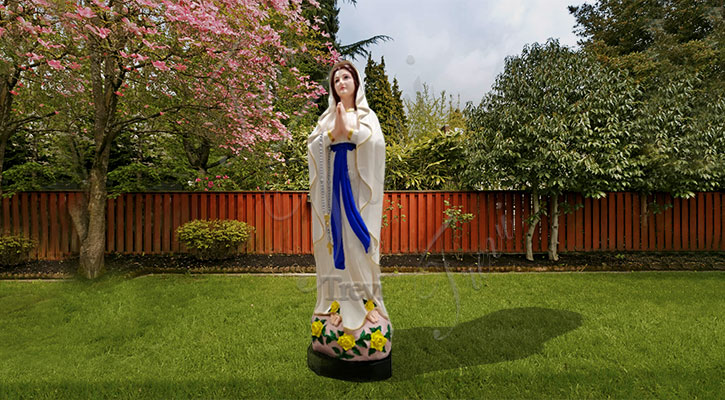
Why a Statue of the Virgin Mary Is Significant in Catholic Culture?
I still remember the first time I stood in front of a statue of the Virgin Mary in a quiet church. It was not big or flashy. It did not need to be. Her face looked calm. Her hands were open. And for a moment, the whole place felt still.
That is one reason Mary statues mean so much in Catholic life. They are not just decorations. They help people pray. They bring comfort. They remind us of love, faith, and the gentle care of a mother.
For many Catholic families, a statue of Mary feels like a quiet sign that God is near. It may stand in a church, a home, a garden, or a small prayer corner. Wherever it is placed, it often becomes a place where people stop, breathe, and pray.
Let’s look at why the Virgin Mary is so loved in Catholic culture, and why her statues still matter today.
Who Is Virgin Mary?
The Virgin Mary is the mother of Jesus Christ. In the Catholic faith, she holds a very special place because she said yes to God with trust and courage. I think that is one of the first things people notice about Mary. She was humble. She was not powerful in the way the world often sees power. She was not rich or famous. But she had deep faith.
Catholics honor Mary because of her close role in the life of Jesus. She carried Him, raised Him, followed Him, and stayed near Him even during His suffering. Because of this, many people see her as a loving mother who understands pain, fear, hope, and family life. Catholics do not worship Mary. Worship belongs to God alone. But they do honor her. They ask for her prayers, just like someone might ask a trusted friend or family member to pray for them.
To many believers, Mary feels close. She feels gentle. She feels like someone who listens.
Why Is a Statue of the Virgin Mary Important?
When people ask, why is a statue of the Virgin Mary important, I think the answer starts with daily faith. It gives people something simple to look at when they want to pray.
A statue of the Virgin Mary gives people a visible reminder of faith. We are human. We often need something we can see. A statue helps bring the heart back to prayer. When I look at a Mary statue, I do not see just stone, wood, resin, or marble. I see a reminder of trust. I see a mother standing with open arms. I see someone who points us back to Jesus.
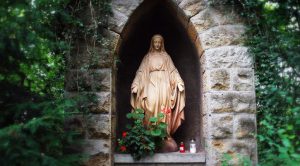
Mary statues have been part of Catholic life for many years. You can find them in churches, schools, homes, gardens, hospitals, and small roadside shrines. Each one may look a little different, but the message is often the same: peace, love, hope, and prayer.
A Symbol of Peace and Compassion
One of the first things people often feel when they see a statue of Mary is peace.
Most Virgin Mary statues show her with a soft face, calm eyes, and a gentle pose. That quiet look matters. Life can feel heavy sometimes. People carry stress, grief, family problems, money worries, and personal pain. A statue of Mary can give them a place to pause.
I have seen people stand before Mary statues without saying much at all. Sometimes they only light a candle. Sometimes they make the sign of the cross. Sometimes they just sit there.
That silence can be its own kind of prayer.
Mary reminds Catholics of compassion. She cared for Jesus as a mother. She also stood with Him through His suffering. Because of that, many people feel that Mary understands human pain in a very real way.
Her statue can feel like a quiet message: “You are not alone.”
A Symbol of Hope and Devotion
Mary is also a strong symbol of hope.
Her life was not easy. She faced fear, confusion, loss, and sorrow. Still, she trusted God. That is why many Catholics look to her when they feel unsure or tired. A statue of Mary can remind people to keep going. It can remind them that faith does not mean life will always be simple. Faith means we keep trusting God, even when the road is hard.
For many people, Mary also stands for devotion. She gave her whole heart to God. She did not need to understand every detail before saying yes. That kind of trust is powerful. When a family places a Mary statue in their home, it can become a daily reminder to live with faith. Not perfect faith. Real faith. The kind that keeps trying.
A Reminder of Prayer and Faith
A Mary statue often becomes a place of prayer.
In many Catholic homes, people place a statue of Mary on a small table, shelf, or prayer corner. They may add candles, flowers, rosaries, or holy cards. This little space helps them slow down and talk to God.
The statue itself is not the prayer. It does not have power on its own. But it helps the person focus. It helps the mind settle.
That is something many people understand. We keep family photos because they remind us of people we love. We keep wedding rings because they remind us of a promise. In a similar way, a Mary statue reminds Catholics of faith, prayer, and God’s love.
It can also help children learn about prayer. A child may ask, “Who is she?” That simple question can open the door to talk about Jesus, Mary, and the Catholic faith.
An Important Part of Catholic Tradition
Mary statues are also deeply tied to Catholic tradition.
For centuries, Catholics have used sacred art to teach and remember the faith. In the past, many people could not read. Paintings, stained glass, and statues helped tell Bible stories and show important people in the faith.
Mary became one of the most loved figures in Catholic art. You can find her image in many countries and cultures. Sometimes she is shown as Our Lady of Grace. Sometimes as Our Lady of Lourdes. Sometimes as Our Lady of Guadalupe. Each image tells a story.
These statues are not all the same. They may reflect the culture of the people who made them. That is one beautiful thing about Mary. People around the world see her as close to them.
A Mary statue in a small family garden may look very different from one in a large cathedral. But both can carry the same heart: love for Mary and faith in God.
A Meaningful Form of Religious Art
A statue of the Virgin Mary is also a form of religious art.
Good religious art does more than look nice. It helps people feel something. It helps them think about God, faith, and life.
Mary statues often use small details to tell a bigger story. Her open hands may show welcome. Her bowed head may show humility. Her blue and white clothing often points to purity, peace, and heaven. A crown may show her honor as Queen of Heaven.
Even a simple statue can say a lot.
I think that is why people are drawn to Mary statues. They do not need a long explanation. They speak quietly. They invite prayer without forcing it.
Why Do Families Place Mary Statues in Their Homes and Gardens?
Many Catholic families place Mary statues in their homes and gardens because they want their faith to be part of daily life.
A home is not only a place to eat and sleep. It is where people laugh, argue, forgive, worry, rest, and grow. Having a statue of Mary in the home can remind the family to bring faith into all of that.
Some families place Mary near the front door. It can feel like a sign of welcome and protection. Some place her in a living room or bedroom. Others create a small prayer space with candles and a rosary.
Garden statues are also very common. A Mary statue in a garden can make the space feel peaceful. Flowers around the statue often show love and respect. Many families enjoy caring for that spot. It becomes a small place of beauty and prayer.
For some people, the statue is tied to family memories. Maybe a grandmother had one. Maybe parents prayed the rosary near it. Maybe it was bought after a special trip or given as a gift.
Over time, the statue becomes more than an object. It becomes part of the family story.
Here are a few simple reasons families keep Mary statues at home:
|
Reason |
What It Means |
|
Prayer |
It gives the family a place to stop and pray. |
|
Peace |
It brings a calm feeling to the home or garden. |
|
Protection |
Many people see Mary as a loving mother watching over them. |
|
Family faith |
It helps children and adults remember God in daily life. |
|
Tradition |
It keeps Catholic customs alive from one generation to the next. |
A Mary statue does not make a home perfect. No home is perfect. But it can help the home feel more centered on faith, love, and prayer.
Common Representations of Mary Statues
There are many different kinds of Mary statues. Each one shows a different part of her story or a special devotion in the Catholic Church.
Some people choose a statue because they love the meaning behind it. Others choose one because it reminds them of their family, culture, or parish.
Here are some common representations of Mary statues.
Our Lady of Grace
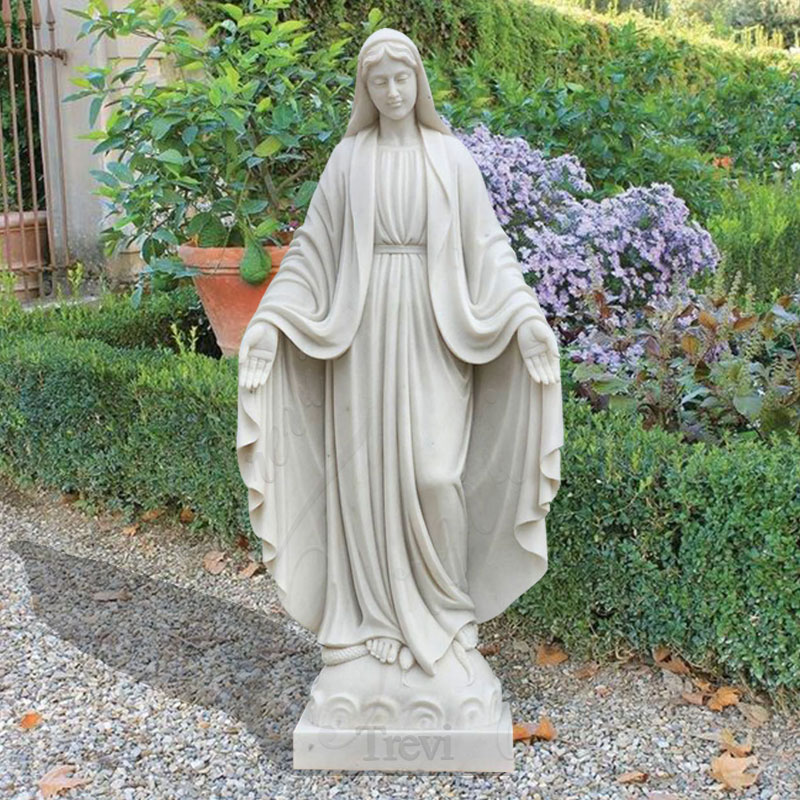
Our Lady of Grace is one of the most familiar images of Mary.
In many statues, Mary stands with her arms open and her hands facing down. This pose feels warm and welcoming. It reminds people of God’s grace and Mary’s care.
Many Catholics see this statue as a sign of blessing. It is often placed in homes, gardens, churches, and schools.
I like this image because it feels simple. Mary does not look far away. She looks like a mother ready to receive someone who needs comfort.
Our Lady of Lourdes
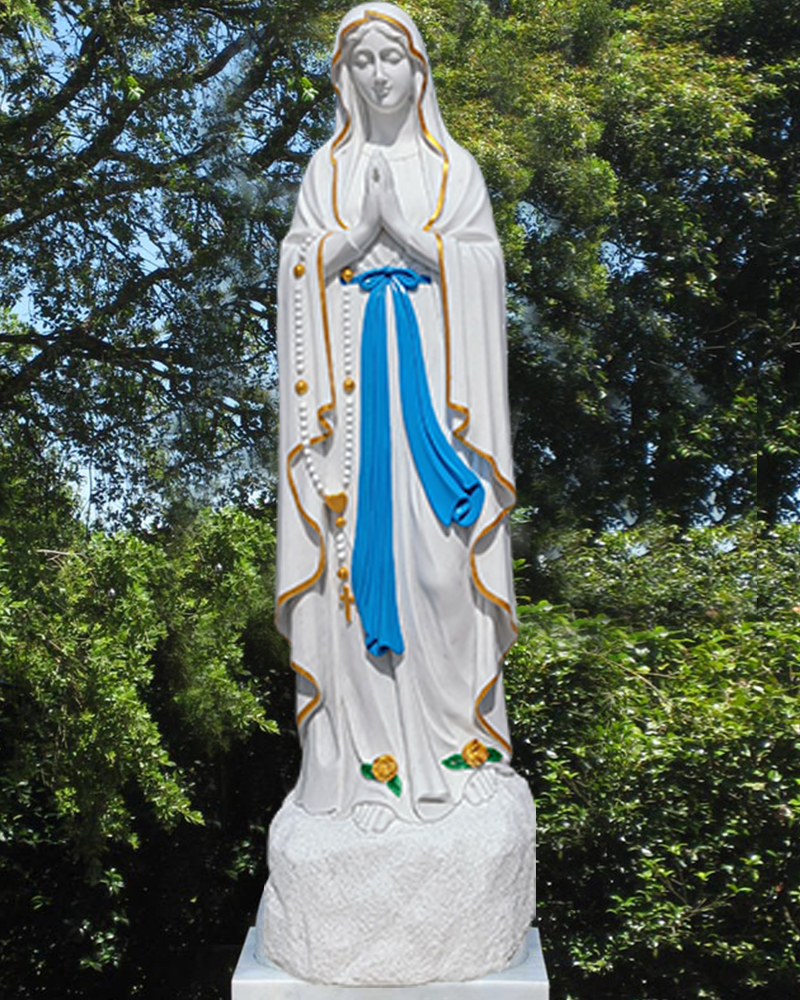
Our Lady of Lourdes is connected to the story of Saint Bernadette in Lourdes, France.
These statues often show Mary wearing white, with a blue sash around her waist. Her hands are usually joined in prayer. She looks humble and peaceful.
Many people connect Our Lady of Lourdes with healing, prayer, and trust in God. Pilgrims from around the world still visit Lourdes to pray.
A statue of Our Lady of Lourdes is often chosen by people who are praying for health, strength, or comfort during sickness.
Our Lady of Fatima
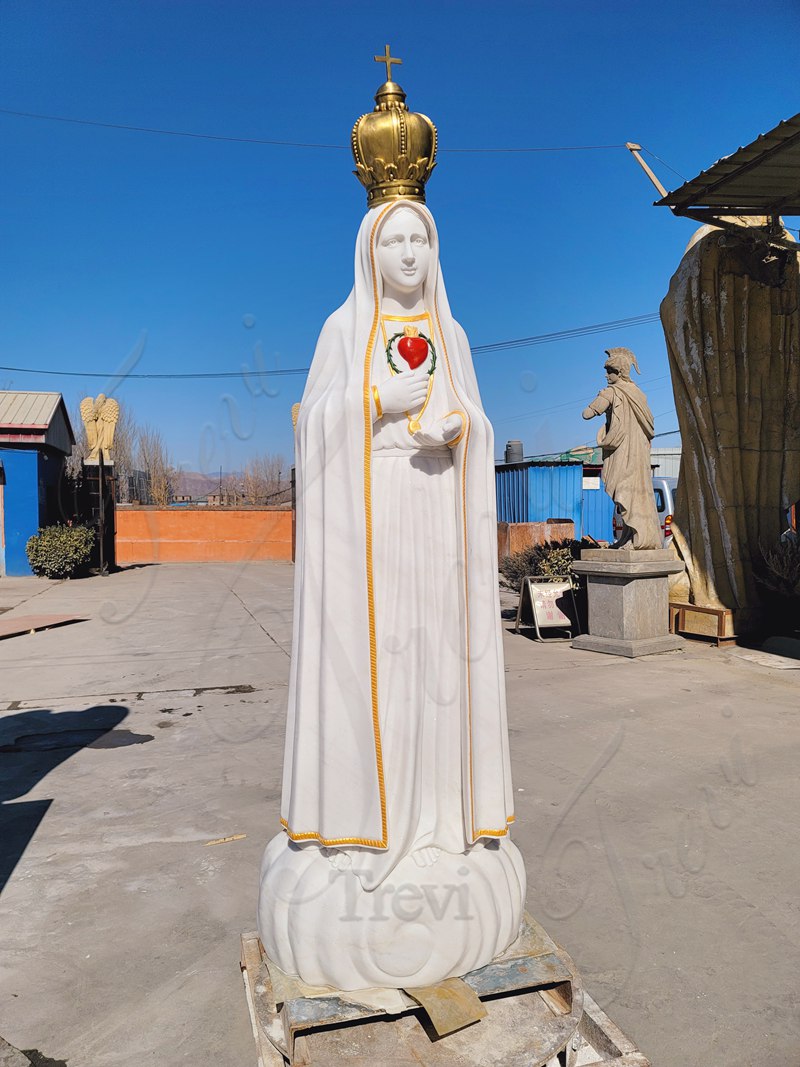
Our Lady of Fatima is another well-known image of Mary.
This image comes from Fatima, Portugal, where three young children said Mary appeared to them in 1917. In many statues, Mary is shown in white, with her hands joined in prayer. Her face often looks calm and gentle.
Many Catholics connect Our Lady of Fatima with prayer, peace, and the rosary. She reminds people to turn back to God and pray with a sincere heart.
I think this is why many families love this statue. It feels quiet and peaceful. It also reminds us that prayer does not have to be fancy. It can be simple, honest, and done every day.
For many people, Our Lady of Fatima is a sign of hope, especially when the world feels troubled.
Our Lady of Guadalupe
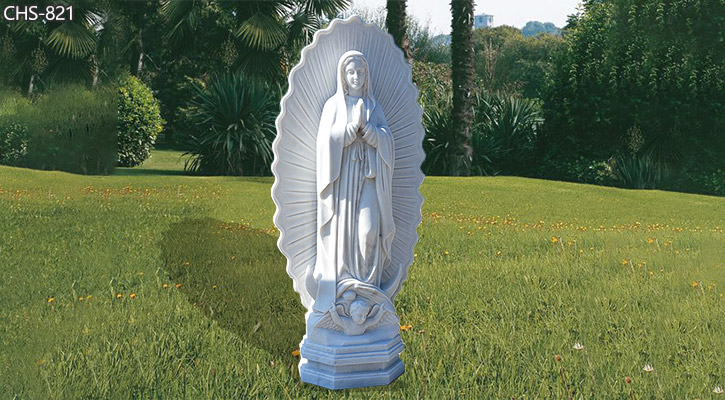
Our Lady of Guadalupe is one of the most loved images of Mary, especially in Mexico and across the Americas.
This image shows Mary with a gentle face, wearing a mantle with stars. She is often shown standing in front of rays of light.
Our Lady of Guadalupe is a strong sign of hope, care, and motherly love. Many families keep this statue or image in their homes because it feels close to their culture and faith.
For many Catholics, she is a reminder that Mary comes near to ordinary people.
Mary with Baby Jesus
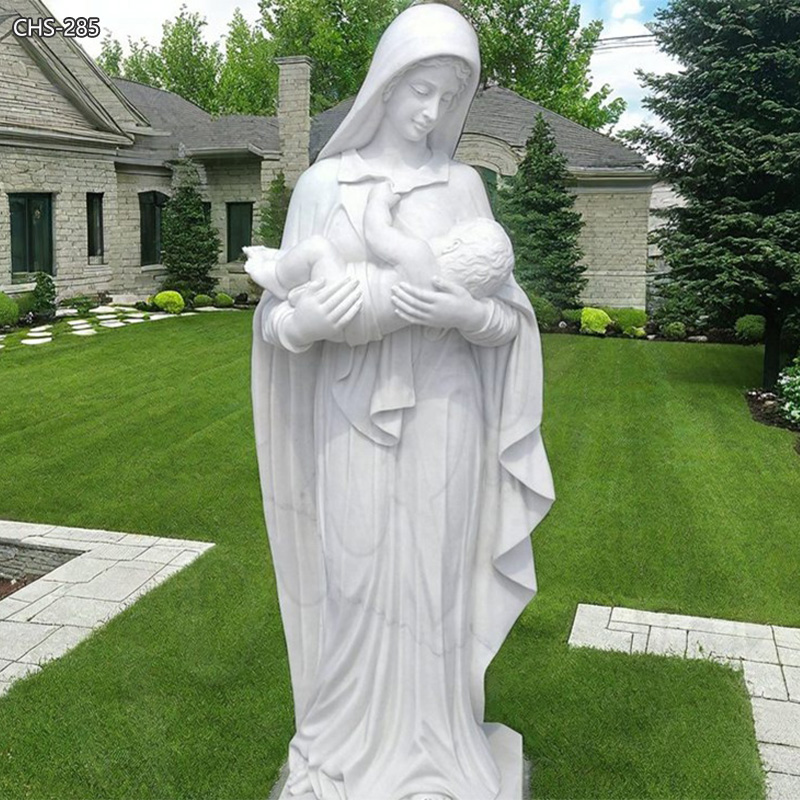
Some statues show Mary holding the baby Jesus.
This image is very tender. It reminds people that Mary was a real mother. She held Jesus, cared for Him, and loved Him.
These statues are often popular in homes because they show family love. They also point to the heart of Catholic faith: Jesus Christ.
Mary is important because she leads us to Him.
Conclusion
A statue of the Virgin Mary is significant in Catholic culture because it simply speaks to the heart. It reminds people of peace. It gives comfort during hard days. It helps families pray. It keeps Catholic tradition alive. It also shows the beauty of faith through art.
For me, the meaning of a Mary statue is not hard to understand. It feels like a quiet place to rest the mind and lift the heart to God.
Mary’s face, her open hands, and her calm presence all seem to say the same thing: have faith, keep praying, and do not lose hope.
Share this article

Written by
Guan, Venus
Contributor at Trevi Art Sculpture -- sharing insights on sacred art, craftsmanship, and religious heritage.
View All PostsRelated Articles
The Famous Fourteen Stations of the Cross Statue
The Stations of the Cross also called the Ways of the Cross, consist of fourteen pictures or engravings depicting Christ in the...
Why Do Catholics Have Statues in Their Church?
Catholic churches around the world are renowned for their intricate artwork, especially the presence of statues that adorn...
Top 10 Most Classic Our Lady Mary Sculptures in the World
The Our Lady Virgin Mary sculptures represent the divine beauty and spiritual presence of the Virgin Mary. Throughout...