
Why Do Catholics Have Statues in Their Church?
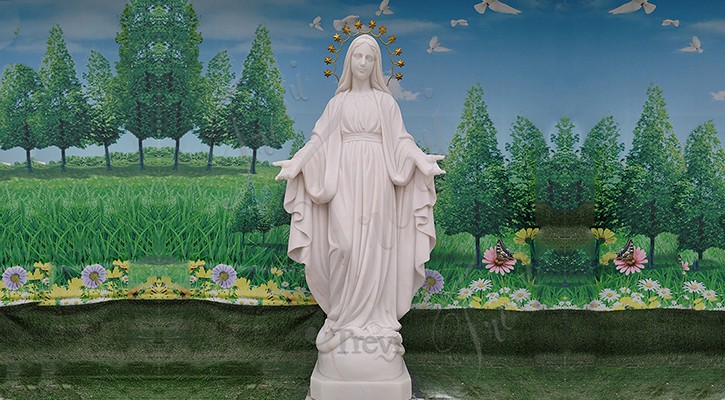
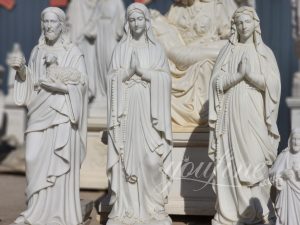
Catholic churches around the world are renowned for their intricate artwork, especially the presence of statues that adorn the sacred spaces. For some, these statues may raise questions about their significance and purpose within the context of the Catholic faith. In this blog, we will explore the reasons behind the presence of statues in Catholic churches, shedding light on their historical, theological, and spiritual significance.
A Rich Tradition: Embodying the Communion of Saints
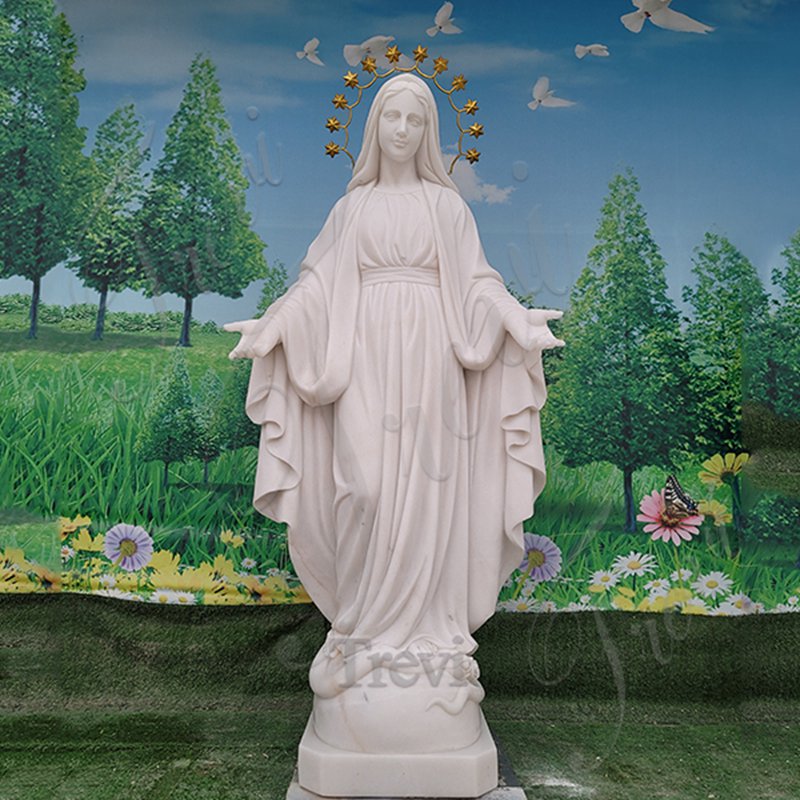
The use of statues in Catholic churches can be traced back to ancient times. From early Christianity, believers have depicted saints, biblical figures, and events in art to enhance their understanding and appreciation of their faith. Statues, as visual representations, serve to remind Catholics of the spiritual legacy of the Church, connecting them to the communion of saints and the rich history of Christianity.
Visual Catechesis: Teaching the Faith Through Art
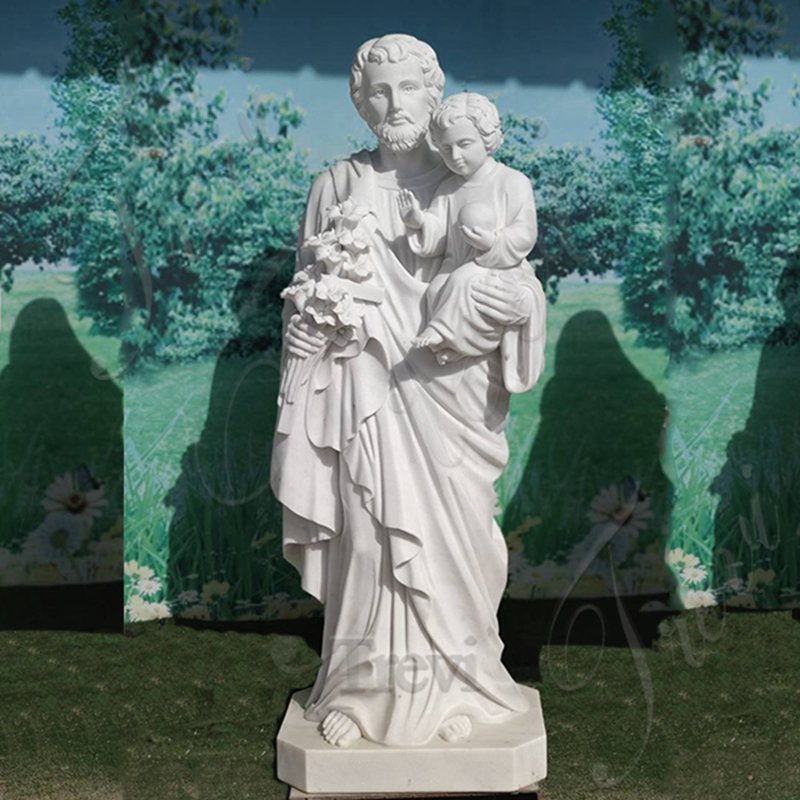
In a world where visual stimuli hold significant influence, statues serve as powerful tools for catechesis, or religious education. These life-like representations offer a tangible and relatable way to learn about the lives and virtues of saints, the events of the Bible, and crucial moments in salvation history. They aid in conveying complex theological concepts and stories to both the young and the old, deepening the understanding of Catholic teachings.
Aids to Devotion: Fostering Prayer and Contemplation
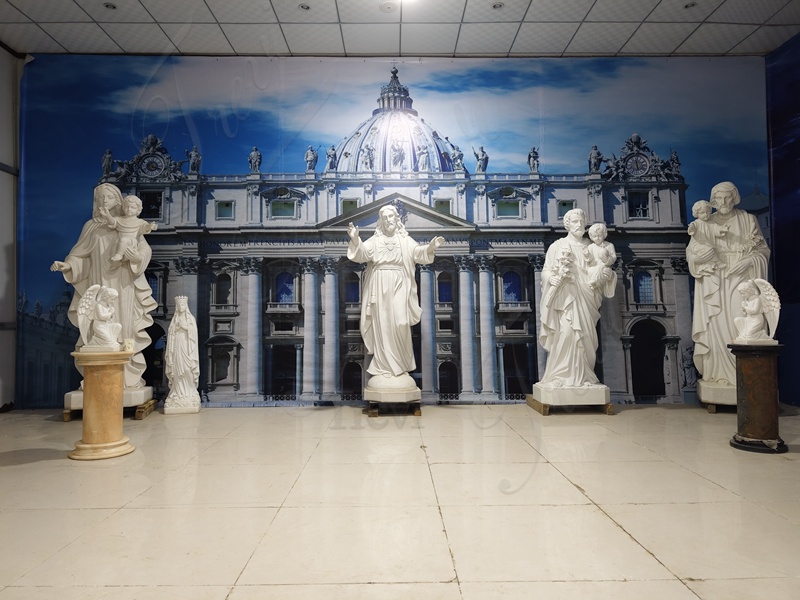
Statues in Catholic churches are not objects of worship themselves; rather, they are aids to devotion, directing the faithful towards God and the divine. By gazing upon the sculpted figures of saints, Catholics are encouraged to emulate their virtuous lives and seek their intercession. The statues serve as focal points for prayer and contemplation, helping individuals to forge a deeper connection with God and His heavenly court.
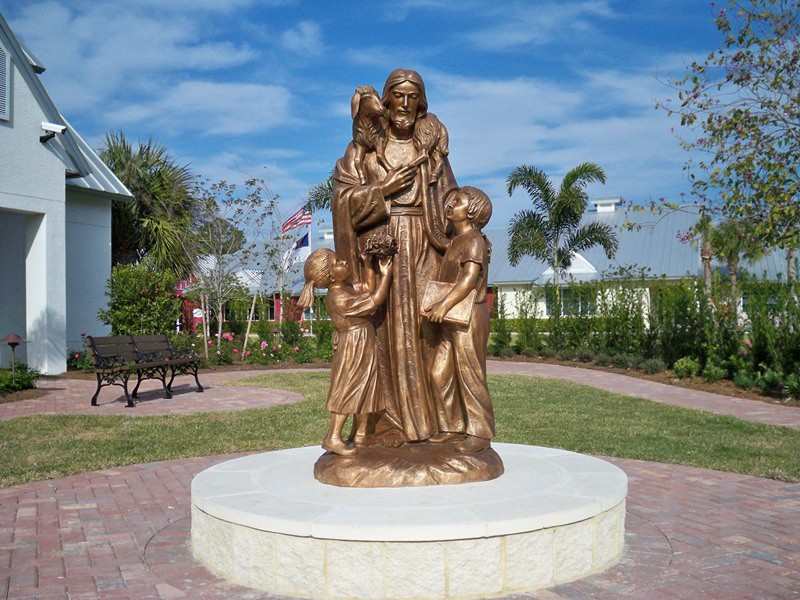
Visible Signs of the Incarnation: Encountering God’s Presence
Catholic theology places profound emphasis on the belief in the Incarnation – God becoming a man in the person of Jesus Christ. Statues of Christ, particularly the Crucifix, remind believers of the salvific sacrifice made on the cross for humanity’s redemption. These representations facilitate a tangible encounter with the divine, allowing Catholics to reflect on the depth of God’s love and mercy.
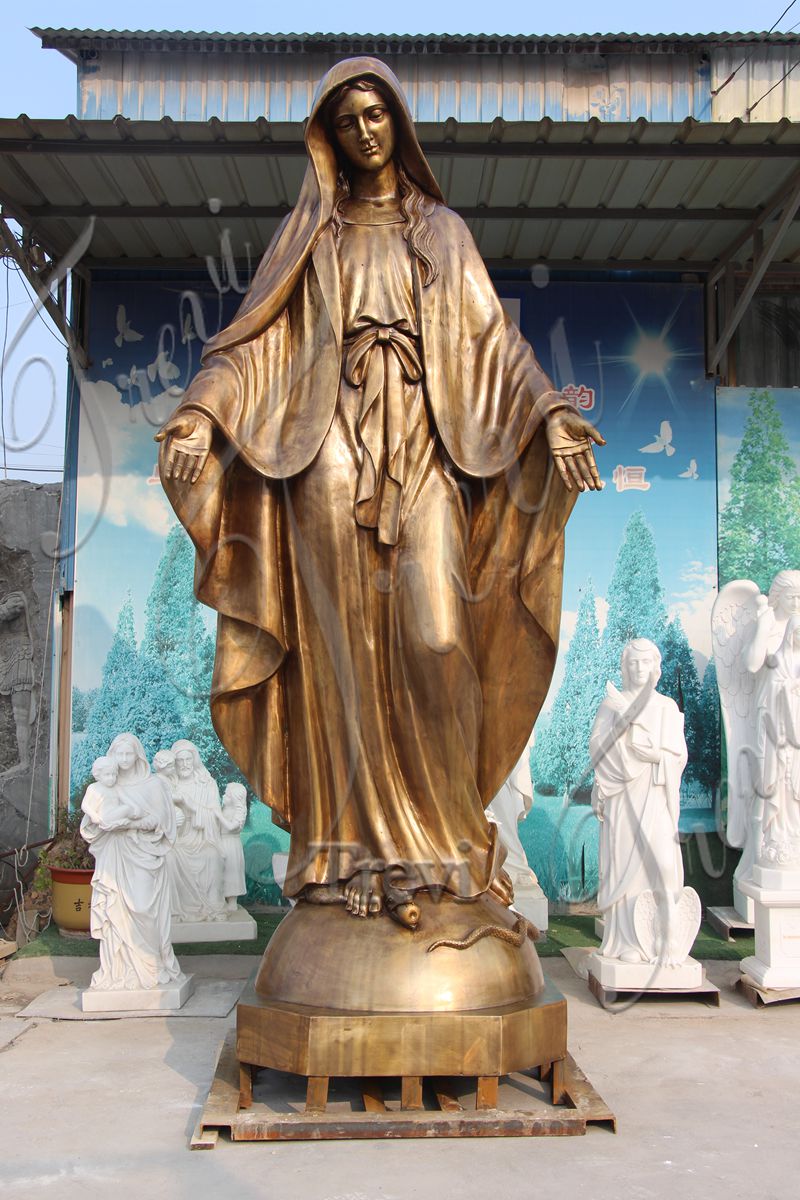
Expressions of Beauty and Worship:
In Catholic tradition, art, and beauty have long been considered essential components of worship. Statues in churches reflect this appreciation for beauty, creating a sacred ambiance that lifts the soul towards the divine. The beauty of the marble religious statues or bronze religious statues, along with the architecture and sacred music, harmoniously blend to create a conducive environment for worship, leading to a deeper sense of reverence and awe.
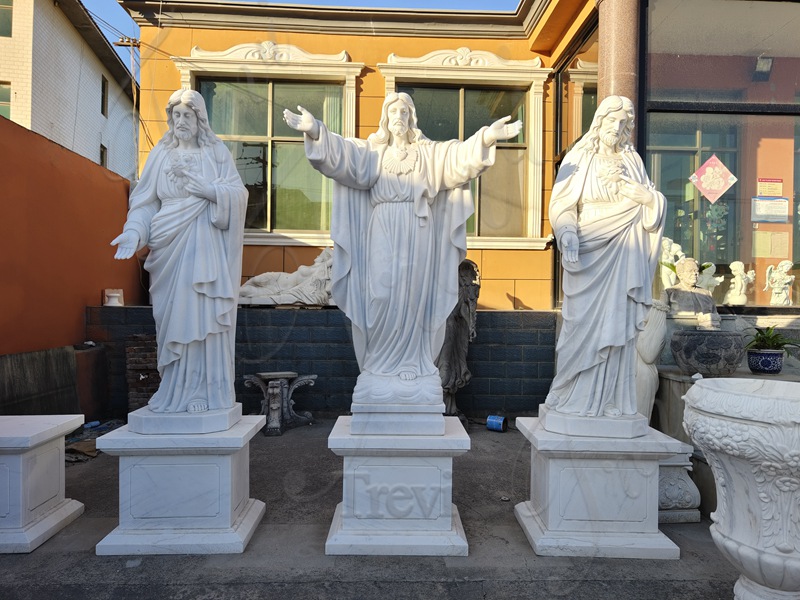
The presence of statues in Catholic churches is deeply rooted in the Church’s history, theology, and devotion. These artful representations serve as a bridge between the earthly and heavenly realms, reminding Catholics of the communion of saints and the significance of their faith. They are not objects of worship themselves, but rather tools for spiritual growth, aiding in prayer, contemplation, and understanding the profound mysteries of Catholicism. As visible signs of the Incarnation, statues offer believers an opportunity to encounter God’s presence and immerse themselves in the beauty and reverence of Catholic worship.
Share this article

Written by
catholicsstatue
Contributor at Trevi Art Sculpture -- sharing insights on sacred art, craftsmanship, and religious heritage.
View All PostsRelated Articles
Why Do Catholics Love the Pietà Sculpture?
The Pietà sculpture has long held a special place in the hearts of Catholics and art enthusiasts around...

From Altars to Lecterns: Unveiling the Essential Decorations in Every Church
When you step inside a church, you are greeted by a myriad of sacred decorations and sculptures that...
How to get a marble mary statue ?
Have you ever been fascinated by the serene beauty of a Marble Mary Statue? Their stunning presence in...